
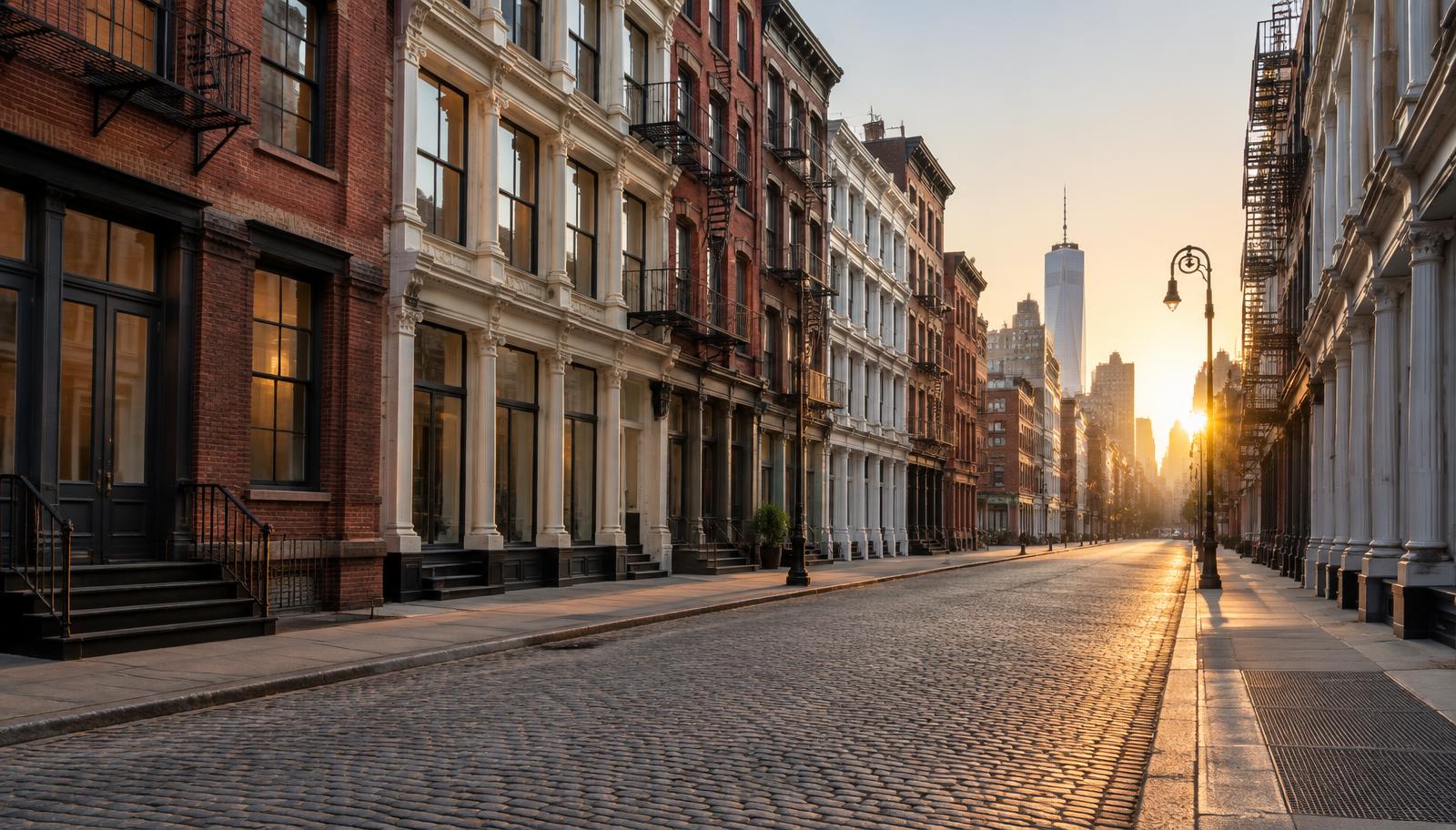
New York City hotel lobbies rarely maintain a static operational rhythm. A midtown property might experience a concentrated rush of business travelers checking out between 7:00 AM and 9:00 AM, followed by hours of subdued luggage transfers, an influx of afternoon arrivals, and an active evening lounge crowd. Across hospitality environments, physical occupancy, exterior door cycles, and interior activity fluctuate continuously across a 24-hour cycle.
Because smell is processed by the limbic system, the part of the brain tied to mood, emotion and memory, ambient fragrance has an immediate effect on how an interior is perceived. When scent intensity remains fixed at a single output level while occupancy shifts dramatically, the atmosphere can quickly become unbalanced. A release rate calibrated for a crowded 4:00 PM check-in queue may feel disproportionate at 2:00 AM when the lobby is virtually empty. Establishing a scenting schedule that accounts for operating hours and human traffic patterns is essential for maintaining a refined, professional environment.
Mapping Daily Traffic and Occupancy Cycles
Setting diffusion levels begins with an evaluation of the property's operational schedule. In hotels, guest density tends to follow distinct daily waves rather than steady footfall:
- Morning departures: High foot traffic near elevators and front desks, with exterior doors opening frequently as guests depart with transit connections.
- Midday turnover: Lighter transient traffic, house staff moving through public corridors, and localized use of lobby workspaces or cafe seating.
- Afternoon check-in: The primary peak of arrivals, where front desk queues form and dwell time increases.
- Evening hospitality: A shift toward social activity, dining, and bar operations, often with higher ambient noise and variable food or beverage aromas.
- Overnight quiet hours: Minimal human movement, closed auxiliary services, and lower ventilation demands.
During periods of high foot traffic and extended check-in lines, a carefully managed ambient profile supports a composed arrival experience. As research indicates, "Ambient scent can reduce perceived waiting times [and] appears to result in a higher evaluation of service." (McDonnell). Conversely, when guest arrivals taper off late at night, reducing the intensity of the system prevents fragrance oils from accumulating in stagnant air pockets, keeping the environment balanced for night staff and late arrivals.
Similar occupancy-based adjustments occur in retail environments, where customer density dictates atmospheric management. However, while retail properties often shut down systems completely at closing time, hotels operate around the clock, requiring dialed-down baselines rather than complete operational shutdowns.
Ventilation Systems and Continuous Air Circulation
The mechanical method used to disperse scent plays a significant role in how intensity is managed across open hours. Commercial applications typically rely on HVAC scenting with cold-air diffusion. In these setups, fragrance oil is converted into a dry micro-mist and carried through existing HVAC ducts for even distribution. This method ensures that the scent does not settle on surfaces or cause damage to the ventilation system.
For ducted cold-air systems to deliver consistent intensity, the heating and cooling infrastructure must circulate air steadily. Scent systems function when air handlers operate on cool, fan, or heat settings; however, the building fan must be set to ON rather than AUTO. Under an AUTO setting, the fan cycles off whenever the ambient temperature matches the thermostat setpoint. If the fan ceases to run, the diffusion mist cannot travel through the ductwork, resulting in erratic bursts of fragrance when the climate control re-engages instead of a predictable, scheduled output.
For hospitality properties, historic spaces, or specific zones without central air, standalone diffusers are available to provide localized distribution. In either configuration, intensity settings should be synchronized with the mechanical ventilation schedule rather than operating as an unmonitored variable.
Odor Neutralization Before Atmospheric Scenting
Adjusting scent intensity should never serve as a method for covering up facility odors. Lobbies frequently encounter transient odors from street-level exhaust, luggage dampness, rainy weather, and adjacent service kitchens. Increasing perfume output to overpower these elements produces a muddled, heavy atmosphere that undermines guest comfort.
According to industry findings, "8 in 10 people say that cleanliness is the main factor that influences their perception of a hotel's values." (J.D. Power). Rather than masking competing scents with heavier fragrance loads, effective environmental scenting relies on odor neutralizing, which eliminates unpleasant odors rather than masking them. Once background air is neutralized, ambient diffusion can run at low, subtle intensity levels, even during heavy traffic periods.
For facilities managing persistent back-of-house, kitchen, or refuse smells near public zones, specialized source intervention is often necessary. Zent works alongside sister brand Luften (luften.net), which provides commercial odor control at the source, allowing the lobby's primary fragrance profile to remain clean and delicate.
Developing a Phased Intensity Profile
Calibrating an effective schedule requires practical observations during the site survey process. Zent approaches every installation through a structured five-step approach:
- Initial consultation: Discussing brand requirements, guest movement patterns, and service hours.
- Facility survey by the engineering team: Assessing layout, ceiling volume, existing HVAC architecture, and daily airflow characteristics.
- System design: Specifying equipment placement, ducted connections, or standalone units to achieve uniform coverage.
- Scent development: Creating custom signature scents developed with renowned perfume designers, or selecting a formulation chosen from Zent's library.
- Installation, monitoring and servicing: Conducting on-site scent mapping, assigning a dedicated Customer Care representative, and establishing ongoing monitoring.
During the facility survey and on-site scent mapping phases, teams review how different spaces connect. Scent intensity cannot be planned in isolation if a hotel lobby transitions into an open-concept dining room, coffee counter, or cocktail bar. For properties balancing multiple uses within a single open layout, planning scent zones in multipurpose NYC hotel lobbies requires setting clear territorial thresholds so that ambient aromas do not compete with culinary presentations.
Properties located in commercial centers like Manhattan encounter different pedestrian turnover and street proximity than boutique hotels situated across neighborhood corridors in Brooklyn. Tailoring the schedule to match the specific rhythm of the surrounding neighborhood ensures that scent levels support the property’s aesthetic goals without drawing conscious attention to the equipment.
Ongoing Maintenance and Operational Monitoring
A successful scenting strategy is not finished once initial timers and diffusion volumes are programmed. Seasonal adjustments in ventilation, shifts in weekend occupancy, and changing banquet or event calendars require periodic calibration.
The physical maintenance required for cold-air diffusion equipment is straightforward: the only routine task is replacing the oil bottle when empty. To ensure equipment functions without placing extra demands on building engineers, Zent provides flexible service plans:
- Full Service: Comprehensive coverage managing all bottle changes, adjustments, and preventative checks.
- Value Service: Balanced operational support tailored to facility staff capabilities.
- Get & Scent: Equipment provision with baseline support structures.
All plans are backed by a guaranteed 24-hour response time, with support accessible via email or a dedicated hotline, covering both on-site and remote maintenance needs. Regular reviews ensure that as hotel operations evolve, scent intensity settings remain aligned with true building occupancy. For guests who wish to bring that atmosphere home, Zent's sister brand Frave Home (fravehome.com) provides hotel-inspired home fragrance products.
Arranging a Facility Review
Determining the proper balance of diffusion intensity, operating hours, and ventilation settings requires an in-person assessment of your property's physical dynamics. Facility managers and hospitality operators can schedule a free site survey with Zent's engineering team to map out airflow and establish a tailored diffusion schedule.
To discuss your property's requirements or to arrange a survey, call 212-222-0030, email info@zent.nyc, or submit an inquiry through our contact page.