
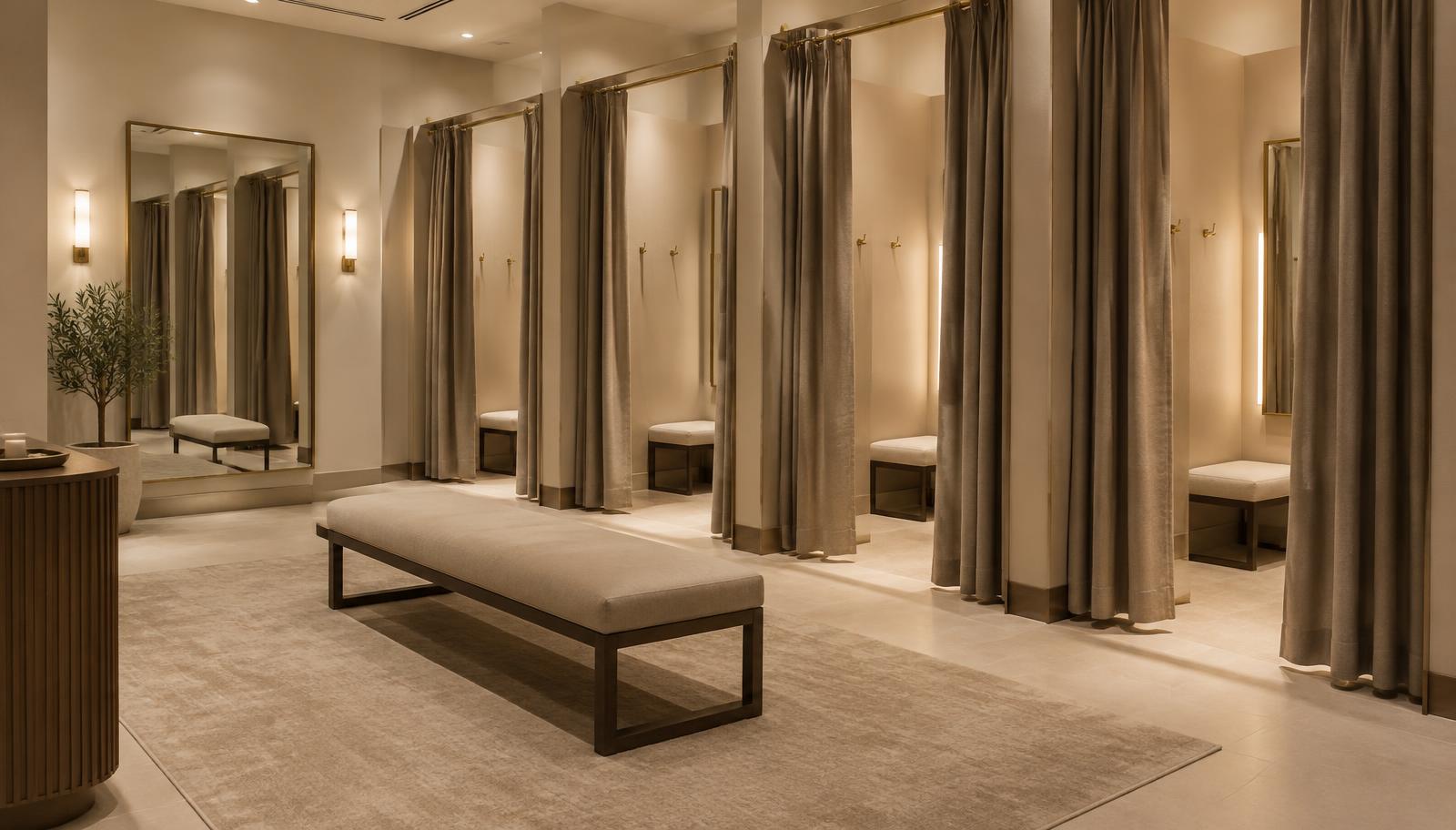
In a New York City hotel, the lobby functions as a central hub for guest arrivals, departures, concierge consultations, and lounge traffic. Maintaining an ambient fragrance in this space requires clear operational protocols. Smell is processed by the limbic system, the part of the brain tied to mood, emotion and memory. When an ambient scent program is deployed properly, it can shape how guests perceive their arrival experience. In hospitality research, "Ambient scent can reduce perceived waiting times [and] appears to result in a higher evaluation of service." (McDonnell)
However, ambient scent systems do not run without oversight. If an oil reservoir empties unnoticed or if staff change without a clear handover, the scent profile can fade, leaving the space unmanaged. For properties across New York City and the tri-state area, maintaining consistent delivery requires planning oil refill cycles and designating a clear service contact on the property team.
Understanding Scent Diffusion Maintenance
Commercial scent delivery in hospitality properties typically relies on HVAC cold-air diffusion. Under this method, liquid fragrance oil is converted into a dry micro-mist and carried directly through the property's HVAC ducts for even distribution. Because the mist is dry, there is no damage to the ventilation system. The equipment works alongside cool, fan, or heat settings, provided the HVAC fan is set to ON rather than AUTO to ensure continuous circulation. For boutique hotels or historic properties with zones that lack central air, standalone diffusers are available to provide targeted coverage.
From a mechanical maintenance perspective, commercial cold-air diffusion systems are straightforward. The only regular maintenance required is replacing the fragrance oil bottle when it is empty. The systems do not require complex daily cleaning routines or internal filter replacements.
The primary operational challenge is not mechanical failure, but supply management. Because fragrance oil consumption is continuous during active operating hours, running out of oil interrupts the sensory environment. Planning the replenishment cadence is therefore the most significant logistical responsibility for the facility or operations team.
Factors Influencing Fragrance Oil Consumption
To establish an accurate refill schedule, engineering and property management teams evaluate several factors during system design and routine facility surveys:
- Operating Hours and Run Times: A lobby operating a scent program twenty-four hours a day uses oil at a different rate than a property scenting only during peak check-in and evening lounge windows.
- Airflow Settings: Cold-air diffusion requires the supply fan to run continuously. Adjustments to building airflow or seasonal changes between heating and cooling cycles can influence how scent disperses through the space.
- Space Volume and Footprint: Grand, multi-story atriums require different output settings than low-ceiling entry vestibules or secondary elevator banks.
- Fragrance Type: Properties utilizing a custom signature scent developed with renowned perfume designers, or those selecting an ambient blend from Zent's library, must calibrate output intensity to the room's baseline air conditions.
Properties that have undergone architectural updates or layout shifts should evaluate baseline air patterns before finalizing scent runtime schedules. For additional details on evaluating spaces after structural modifications, facility teams can review post-remodel scent audits for NYC hotel lobbies to understand how renovated layouts affect air delivery.
Assigning an On-Site Point of Contact
A common point of failure in commercial scent delivery occurs when responsibility for the system is diffuse. If front-desk supervisors assume engineering checks the diffusers, while engineering assumes housekeeping monitors the scent levels, empty oil cartridges can go unaddressed.
Hotels benefit from assigning a primary internal contact and an alternate contact to oversee scent operations. Depending on the organizational structure of the property, this contact is usually:
- The Director of Engineering or Chief Engineer: Ideal for HVAC-connected systems where diffusion equipment is installed in mechanical rooms or back-of-house air handling closets.
- The Front Office or Guest Services Manager: Suited for properties utilizing standalone diffusers in visible public areas, where front-of-house staff notice changes in scent intensity immediately.
- The Executive Housekeeper: Practical for coordinating refills alongside routine public area cleaning and restocking schedules.
The assigned contact acts as the bridge between the hotel and the scent marketing agency. Under Zent's five-step approach—which proceeds from initial consultation and facility survey by the engineering team to system design, scent development, and installation, monitoring, and servicing—the on-site contact works directly with a dedicated Customer Care representative. This designated representative coordinates scheduling, monitors consumption trends, and assists with troubleshooting.
Establishing Service Workflows and Monitoring
Hotel management teams should select a service structure that fits their internal staffing capacity. Zent offers three commercial service plans to match building requirements: Full Service, Value Service, and Get & Scent.
Under a Full Service agreement, certified technicians handle the on-site scent mapping, physical oil refills, equipment calibrations, and preventative maintenance directly. For properties that prefer their internal maintenance staff to replace oil cartridges, Value Service and Get & Scent options provide regular deliveries of fragrance refills backed by dedicated support.
Regardless of the service plan chosen, clear operational support is essential:
- Emergency and Technical Support: Zent guarantees a 24-hour response time, with access to technical assistance by email or a dedicated hotline.
- Maintenance Capabilities: Support includes both on-site and remote maintenance to address adjustments in run times, output calibration, or mechanical checks.
- Odor Remediation Coordination: In spaces where outside street odors, loading bays, or dining areas introduce competing smells, scent marketing may be paired with odor neutralizing. Unlike masking agents that merely cover odors, true odor neutralizing eliminates unpleasant smells at the molecular level. For dedicated source-level odor remediation, property managers can also evaluate solutions from sister brand Luften (luften.net).
These support structures are not limited to hospitality lobbies. Similar maintenance protocols and dedicated contact workflows apply across transportation hubs, executive lounges, and public terminals. Facility managers can review scent operations for high-density environments in Zent's overview of transportation facilities.
Managing Refills Across Multi-Property Portfolios
Hospitality management groups operating multiple assets across New York City—spanning Manhattan, Brooklyn, Queens, and Staten Island—benefit from centralizing refill orders while maintaining dedicated contacts at each property.
In multi-unit operations, consumption rates vary between locations due to varying foot traffic, lobby dimensions, and ceiling heights. Having an assigned point person at each address ensures that regional engineering leadership receives accurate field reports. When an internal contact conducts a weekly or bi-weekly check of oil bottle levels, reordering occurs well before the reservoir runs dry.
For hotels that wish to extend their olfactory identity beyond the physical property, sister brand Frave Home (fravehome.com) provides hotel-inspired home fragrance collections that allow guests to purchase the property's signature scent for personal use.
Practical Steps for Scent System Reliability
To establish an enduring scent marketing process in a hotel lobby, facility managers should implement a few straightforward operational steps:
- Document Equipment Locations: Maintain a mechanical log showing exactly where diffusers are installed, whether tied directly into ductwork in mechanical spaces or set up as standalone units in decorative alcoves.
- Log Cartridge Replacement Dates: Mark the date of every oil bottle replacement directly on the container or within the building management log to establish an accurate average consumption cycle.
- Verify Fan Operation: Confirm seasonally that air handling units running scent diffusion remain set to the continuous ON position, rather than AUTO, so air carries the micro-mist evenly throughout service hours.
- Update Account Contacts Promptly: If the primary engineering lead or guest experience manager departs, notify the scent provider's dedicated Customer Care representative immediately to maintain uninterrupted communication.
A well-planned scent strategy operates quietly in the background, reinforcing the quality and atmosphere of the hotel without requiring significant labor from on-site teams.
To evaluate your lobby's ventilation layout, determine oil refill schedules, or request a free site survey from Zent's engineering team, reach out through our contact page, call 212-222-0030, or email info@zent.nyc.