
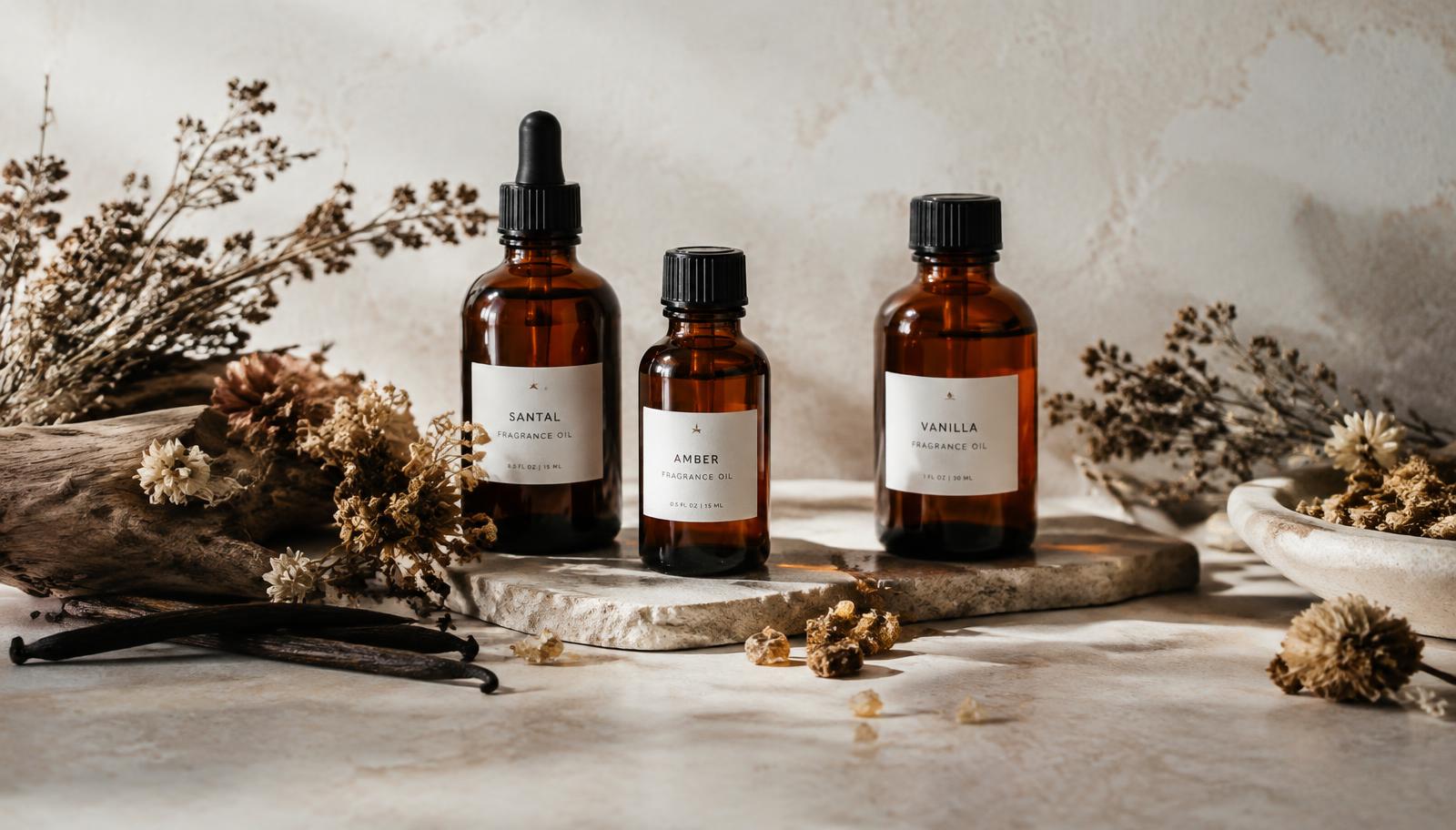
New York City hotel lobbies serve as the central point of arrival for global travelers, corporate guests, and local visitors. These spaces must adapt constantly to external conditions, from crisp autumn afternoons and humid summer mornings to slush-filled winter entryways. Because smell is processed by the limbic system, the part of the brain tied to mood, emotion and memory, the ambient profile of a lobby directly influences how incoming guests perceive the property.
Hospitality directors and facility managers often assume that transitioning an ambient fragrance for a new season requires installing new dispensers, re-routing ductwork, or re-engineering building mechanicals. However, when a property utilizes cold-air diffusion technology, a seasonal scent review requires zero hardware modification. Fragrance oil is converted into a dry micro-mist and carried cleanly through existing HVAC ducts for even distribution, leaving no residue and causing no damage to the ventilation system. The only physical maintenance involved is replacing the fragrance oil bottle when empty.
Conducting a successful seasonal scent review is an operational exercise in evaluating airflow, addressing seasonal baseline odors, and aligning aromatic profiles with existing equipment.
Auditing Airflow and HVAC Settings for the New Season
The primary mechanical consideration during any seasonal review is how the property's air handling systems are configured. As weather shifts between heating and cooling demands, central fan cycles often change.
Cold-air diffusion systems work effectively with cool, fan, or heat settings. However, optimal distribution relies entirely on continuous airflow. A common operational misstep in commercial facilities is leaving the HVAC fan control set to AUTO rather than ON. When set to AUTO, the system only circulates air when the thermostat calls for heating or cooling. Once the target temperature is reached, airflow ceases, causing fragrance delivery to stall and settle unevenly across the lobby floor.
During a seasonal review, engineering teams should confirm that the fan remains set to continuous ON across all operating hours. For historic properties or auxiliary hospitality areas lacking central ducting, standalone diffusers achieve the same dry micro-mist distribution without connecting to mechanical infrastructure. Both formats allow seasonal oil replacements without altering diffusion equipment or physical placements.
Addressing Seasonal Odors Before Introducing New Scents
A seasonal fragrance update cannot succeed if it is forced to compete with seasonal environmental odors. In New York City, changing weather introduces distinct olfactory challenges: damp wool and wet footwear during rainy or snowy months, street fumes and humidity in summer, and localized kitchen aromas year-round.
Attempting to cover these elements with stronger fragrance concentrations compromises air quality. Odor neutralizing eliminates unpleasant odors rather than masking them. Before introducing a new seasonal fragrance profile, the facility review must identify whether ambient odors are neutralizing properly at entryways and service thresholds.
As CleanLink notes, "Over 80% of adults indicated that odor contributed to their perception of an unsanitary space." Furthermore, "8 in 10 people say that cleanliness is the main factor that influences their perception of a hotel's values." (J.D. Power). Ensuring that baseline air is clean protects the integrity of the ambient profile. For hotels managing intense, localized odor sources near service corridors, trash rooms, or food prep vestibules, source-level commercial odor control solutions from sister brand Luften (luften.net) can remediate odors at the source before the lobby air reaches diffusion zones.
Selecting Seasonal Profiles: Library vs. Signature Formulations
Once mechanical settings and odor control measures are audited, management can evaluate fragrance notes suited to seasonal guest expectations. A hotel does not need to start from scratch each season. Operators generally choose between two paths:
- Zent Library Fragrances: Hospitality managers can select proven compositions curated within Zent’s fragrance library. These pre-formulated options allow properties to transition between warm, grounding profiles for winter and lighter, botanical profiles for spring and summer with immediate compatibility.
- Custom Signature Formulations: Hotels that utilize a bespoke signature scent developed with renowned perfume designers can design seasonal variations of their core identity. This maintains brand recognition while subtly modulating top and base notes to suit ambient indoor temperatures.
For properties that extend their olfactory branding to retail programs, these ambient profiles can mirror consumer products, similar to how Frave Home (fravehome.com) provides hotel-inspired home fragrances for domestic environments. When managing portfolios with multiple hospitality assets across the metropolitan area, consistency in execution remains critical. For further reading on standardizing procedures across locations, review our recommendations on consistent scent briefs across NYC hotel portfolios.
On-Site Scent Mapping and Engineering Surveys
A thorough seasonal review should follow a structured five-step approach: initial consultation, facility survey by the engineering team, system design, scent development, and installation, monitoring, and servicing.
During the seasonal facility survey, technicians conduct on-site scent mapping to monitor how the dry micro-mist disperses under shifting ambient conditions. Changes in exterior temperatures affect how air moves through revolving doors and entry vestibules. This dynamic is equally relevant in high-traffic settings like transportation hubs and lounges, where entry portals continuously exchange indoor and outdoor air.
"Ambient scent can reduce perceived waiting times [and] appears to result in a higher evaluation of service." (McDonnell). In a busy Manhattan lobby, a properly balanced seasonal fragrance softens arrival delays at check-in desks and concierge stations. Whether auditing a boutique hotel in Midtown or a hospitality venue in the Bronx, on-site scent mapping ensures that diffusion output matches occupancy rhythms and spatial volume without over-saturating quiet corners.
Streamlining Seasonal Transitions Through Service Plans
The execution of a seasonal review should never burden on-site hospitality staff. Zent provides three distinct service plans to manage operational requirements:
- Full Service: A complete, hands-off plan where Zent manages every refill, seasonal oil transition, hardware inspection, and proactive adjustment on-site.
- Value Service: A balanced plan providing routine maintenance, system monitoring, and managed fragrance delivery for properties with internal engineering resources.
- Get & Scent: A straightforward option providing equipment and fragrance supplies directly to facility teams who prefer to manage bottle swaps internally.
All service plans include ongoing monitoring, access to a dedicated Customer Care representative, and support available by email or dedicated hotline. Zent guarantees a 24-hour response time for service inquiries, ensuring that any adjustment required during a seasonal changeover is resolved promptly through on-site or remote maintenance.
Executing Your Seasonal Scent Review
Updating the ambient profile of a hotel lobby does not require capital investments in new equipment or interruptions to daily guest operations. By confirming HVAC fan settings, eliminating seasonal odors at the source, and conducting on-site scent mapping, facility managers can refresh their spaces smoothly using existing cold-air diffusion infrastructure.
To schedule a seasonal consultation or request a free site survey from our engineering team, reach out to Zent at 212-222-0030 or info@zent.nyc. You can also submit your facility specifications directly through our contact page.